
Calinary/
September 26, 2026
Cooking as a Skill, Creativity, and Opportunity
Cooking combines practical knowledge, creativity, discipline, and service. Learning culinary skills can help young people develop confidence and discover opportunities in food and hospitality.

By Sage Entrepreneurs Academy
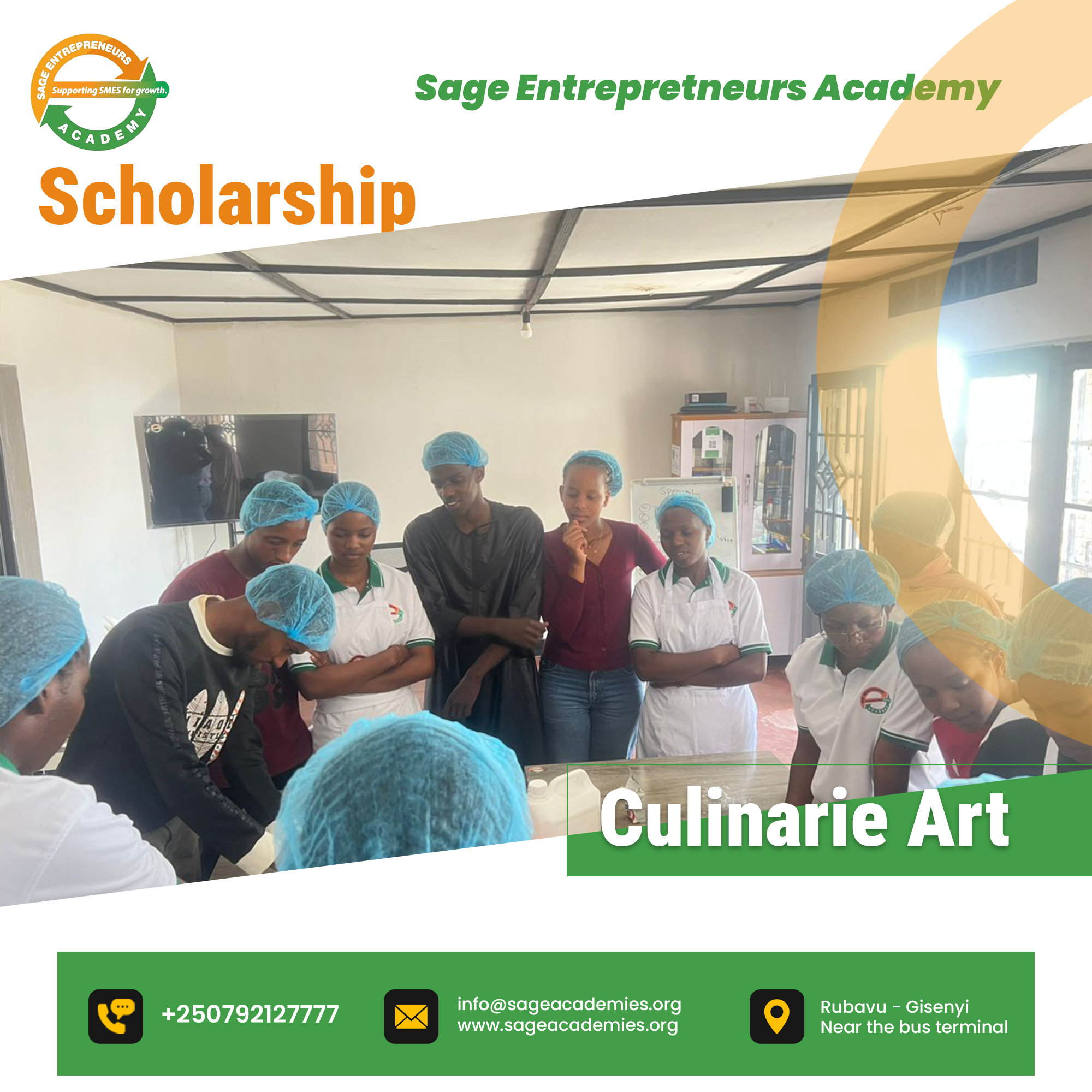
Food is an important part of everyday life, but preparing food well is also a valuable skill. Cooking requires knowledge, practice, creativity, cleanliness, organization, and attention to detail.
A person who learns culinary skills does not only learn how to prepare food. They also learn how to work with different ingredients, understand preparation methods, manage time, and think about the people who will enjoy the final meal.
One of the first lessons in culinary work is preparation. Before cooking begins, ingredients and tools need to be organized. This helps the cooking process become easier and more efficient.
Cleanliness is also very important. A good food environment should be organized and clean. Food handlers need to understand the importance of proper hygiene and responsible food preparation.
Cooking also creates room for creativity. Two people can use similar ingredients and create different dishes. This is where creativity becomes important. A learner can experiment with presentation, combinations, preparation methods, and new ideas while still respecting food quality and safety.
Another important skill is time management. In a professional kitchen, different tasks may need to happen at different times. A learner needs to understand how to plan work so that food is prepared properly and served at the right time.
Culinary skills can also connect with entrepreneurship. Someone with cooking skills may work in a restaurant, support catering services, prepare food for events, or develop a food business.
Customer satisfaction is an important part of this journey. Food businesses depend on people who trust the service. Good communication, cleanliness, consistency, and respect for customers can help create a positive experience.
Modern culinary businesses can also use digital tools. Photos, online pages, digital marketing, and customer communication can help a food business become more visible.
For young people, culinary training can therefore be more than learning recipes. It can be a way to develop discipline, creativity, teamwork, confidence, and business thinking.
Every meal prepared with care can teach a lesson. Every new recipe can develop a skill. Every customer can provide an opportunity to learn.
With continuous practice and a willingness to improve, cooking can become both a useful personal skill and a professional opportunity.
Cover image idea:
African culinary students learning in a modern kitchen, preparing food together with professional cooking equipment and ingredients.