
Academy News/
September 26, 2026
Telling Stories Through Photography and Videography
Photography and videography are creative technology skills that help people capture moments, tell stories, promote businesses, and communicate ideas through powerful visual content.

By Sage Entrepreneurs Academy
A picture can communicate an idea in a few seconds. A video can tell a story, explain a product, document an event, or help people understand an experience.
This is why photography and videography have become important skills in today's digital world.
Photography is not simply about pressing a camera button. A good photograph requires an understanding of light, composition, timing, subject placement, focus, and the message that the photographer wants to communicate.
A photographer needs to learn how to look at a scene carefully. Where should the subject be placed? How is the light falling? What is happening in the background? What should the viewer notice first?
These small decisions can make a major difference in the final image.
Videography adds movement and sound to visual storytelling. A videographer needs to think about camera movement, framing, lighting, audio, timing, and editing.
Video content is now used in many areas. Businesses use videos to introduce products and services. Schools use videos for education. Organizations use videos to communicate their activities. Entrepreneurs use videos to promote their brands. Individuals also use video to share ideas and experiences.
This creates many opportunities for people who develop strong visual storytelling skills.
However, having a camera is not enough. A person needs to understand how to use the equipment and how to create meaningful content.
A learner can begin with simple equipment and gradually develop skills. Modern smartphones can also be useful learning tools because they allow students to practice photography, video recording, framing, and storytelling without needing expensive equipment at the beginning.
Editing is another important part of the process. After recording a video, the creator may need to select the best clips, arrange them in the right order, improve the sound, add text, and make other appropriate changes.
Photography also benefits from editing. Basic editing can help improve the presentation of an image while maintaining a natural and clear result.
For businesses, photography and videography can become powerful marketing tools. A restaurant can use food photography to show its products. A salon can show examples of its work. A school can document activities. A company can create videos explaining its services.
Good visual content can help people understand what a business offers.
Photography and videography can also become professional skills. A trained person may work on events, business content, advertising, social media, documentaries, educational projects, or other creative productions.
But the most important skill is storytelling.
A technically good image may still be weak if it has no clear purpose. A video may have good quality but fail to communicate its message. The creator needs to understand the audience and the story behind the content.
This is why practical training is important. Students need opportunities to take photographs, record videos, edit their work, receive feedback, and try again.
Every project can teach something new.
Technology continues to make visual content easier to create and share. At the same time, audiences are becoming more interested in authentic, useful, and meaningful content.
For young people, learning photography and videography can therefore be more than learning how to operate a camera. It can be a way to develop creativity, communication, technical ability, and entrepreneurship.
A camera captures an image, but a skilled creator captures a story.
Cover image idea:
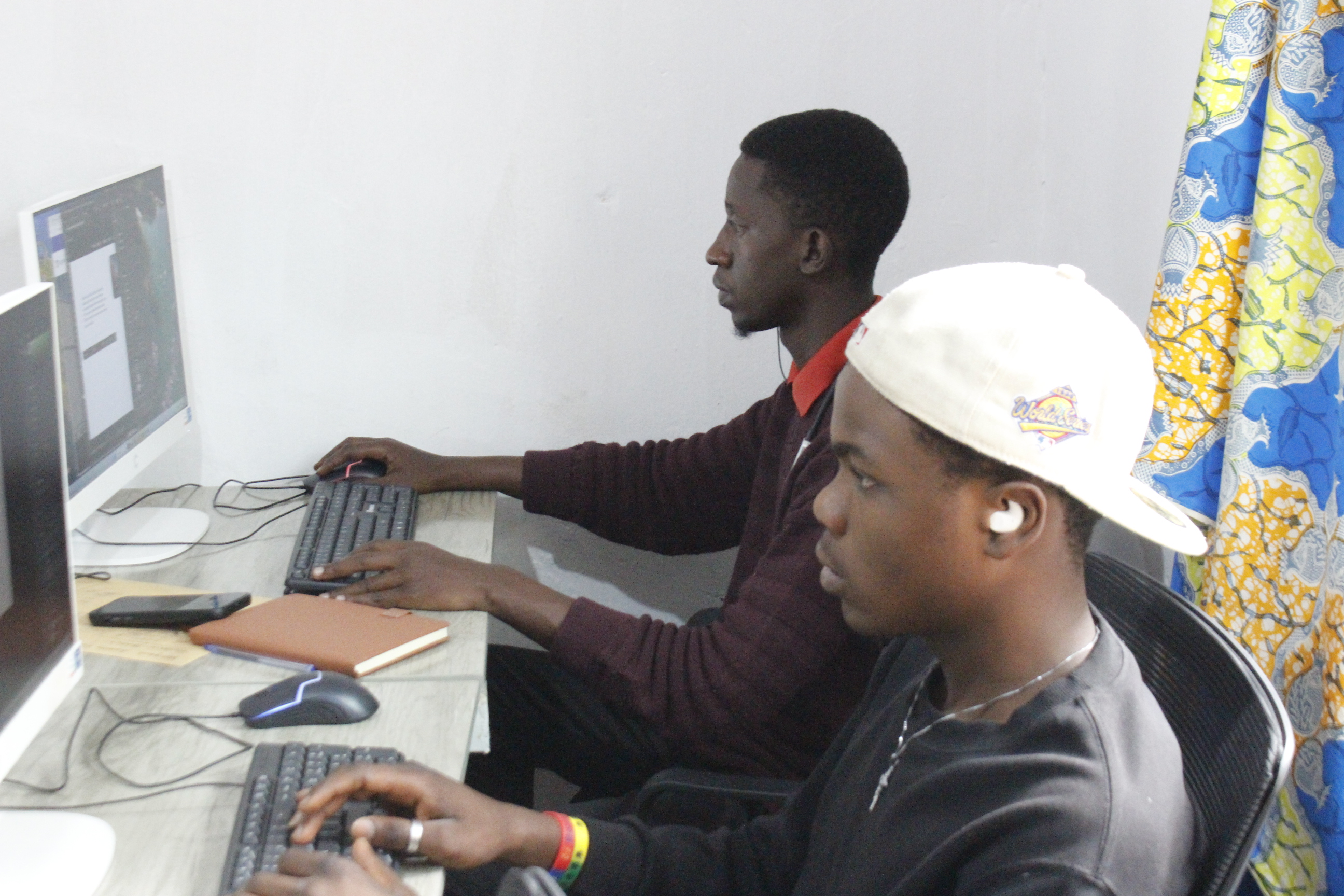
Young African students learning photography and videography in a modern creative studio, with cameras, tripods, lights, laptops, and video editing equipment.