Academy News/
Beyond the Classroom: CEO Mr. Sage Challenges Students and Staff to Embrace Entrepreneurial Thinking and Global Communication
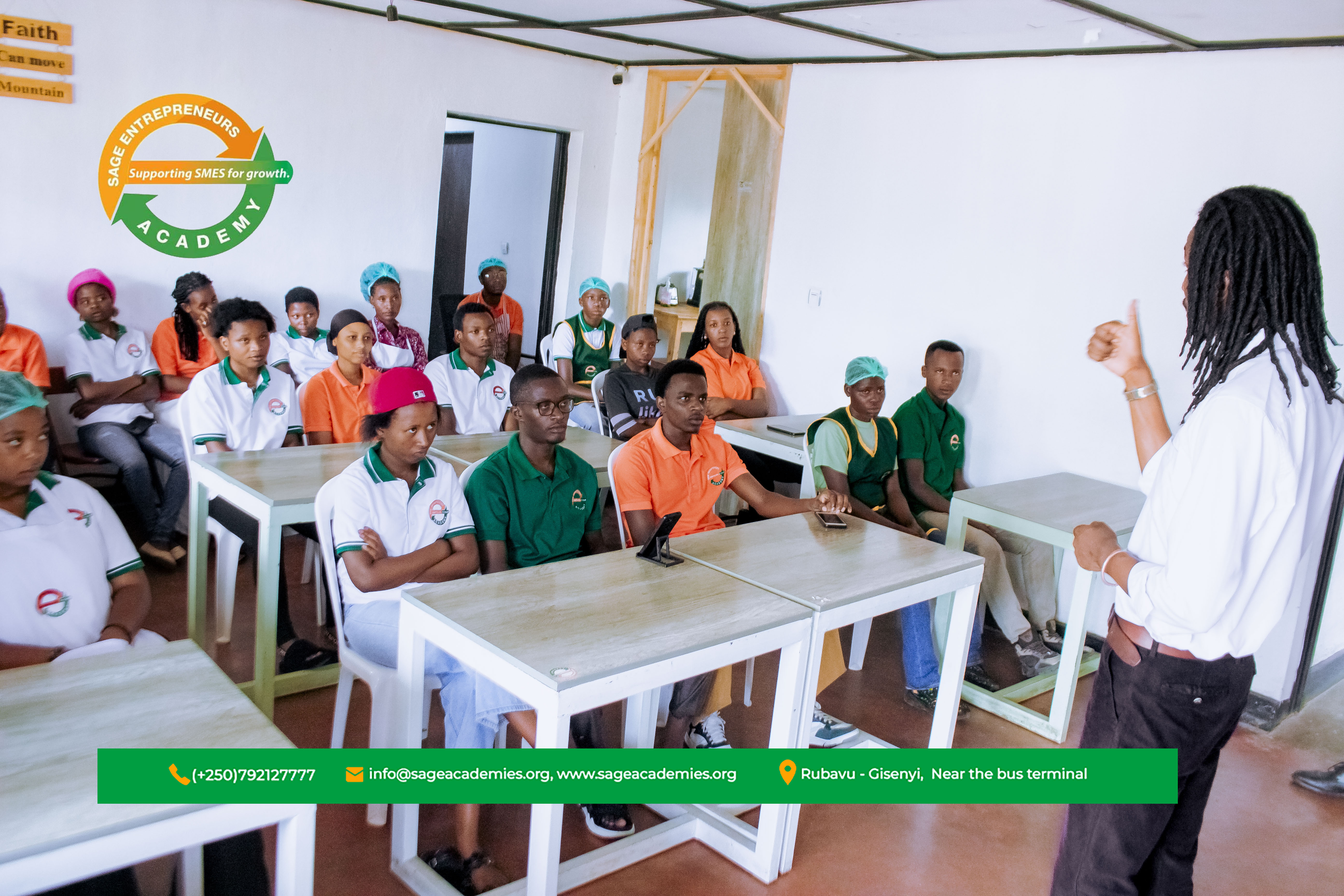
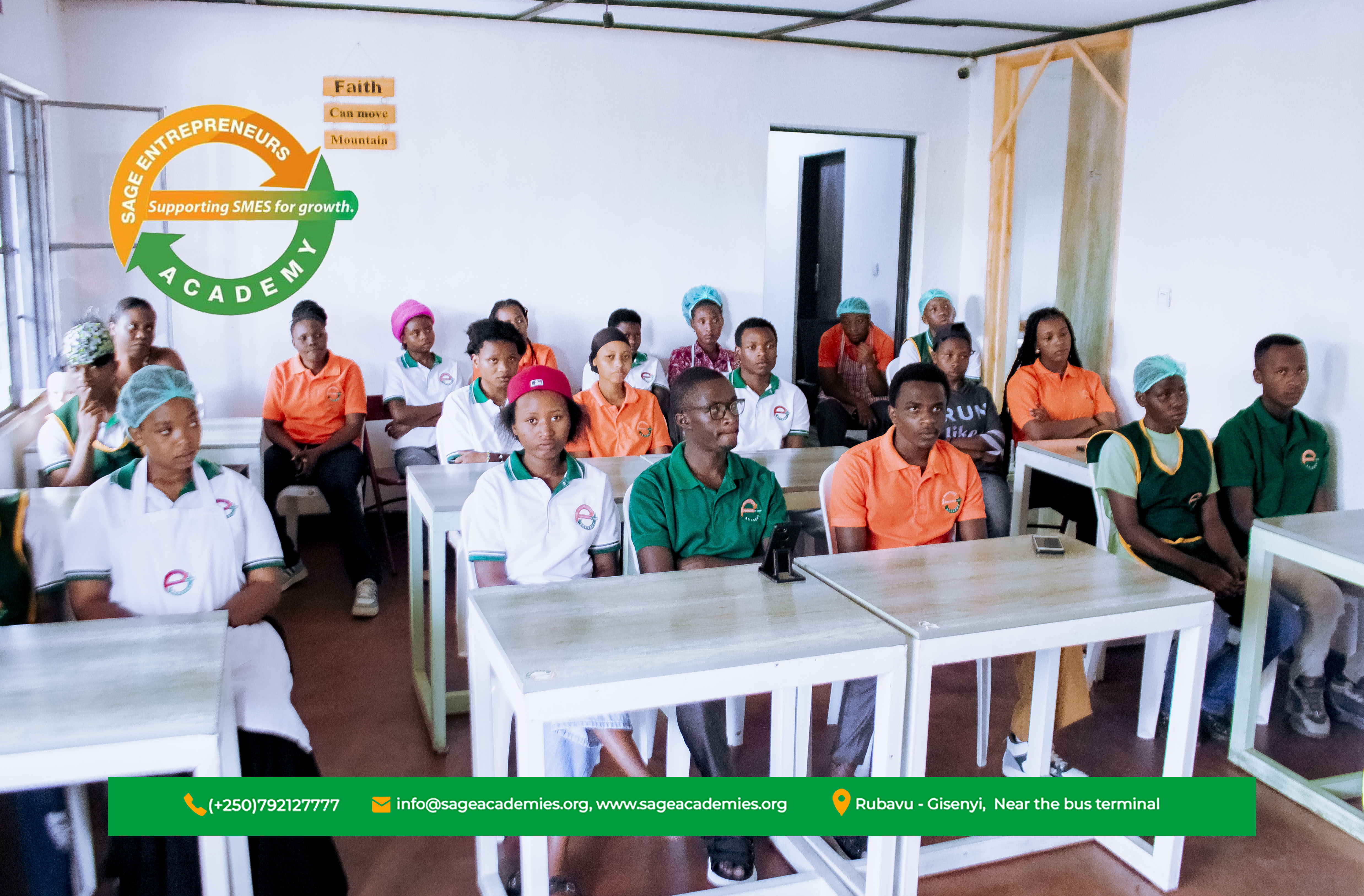
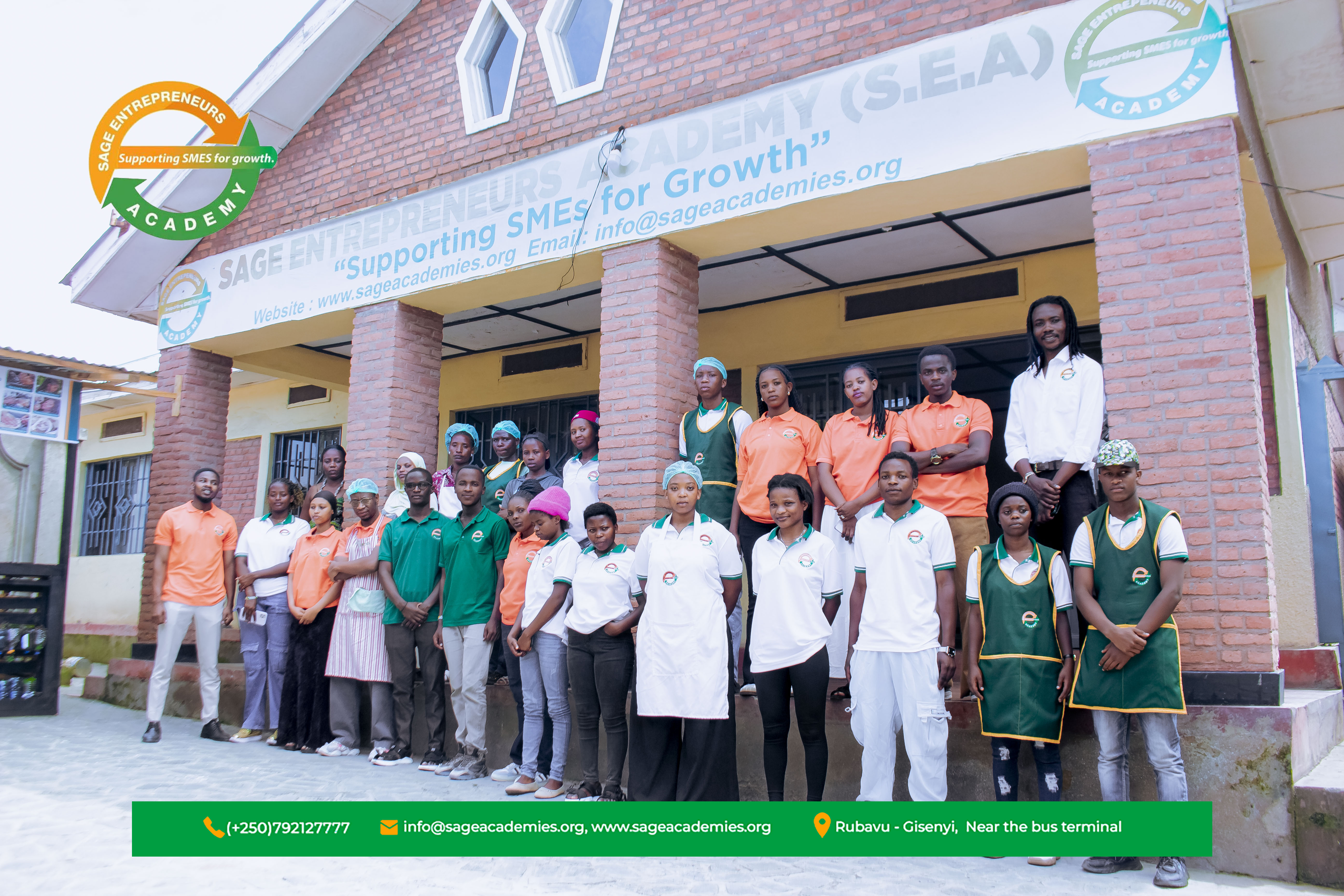
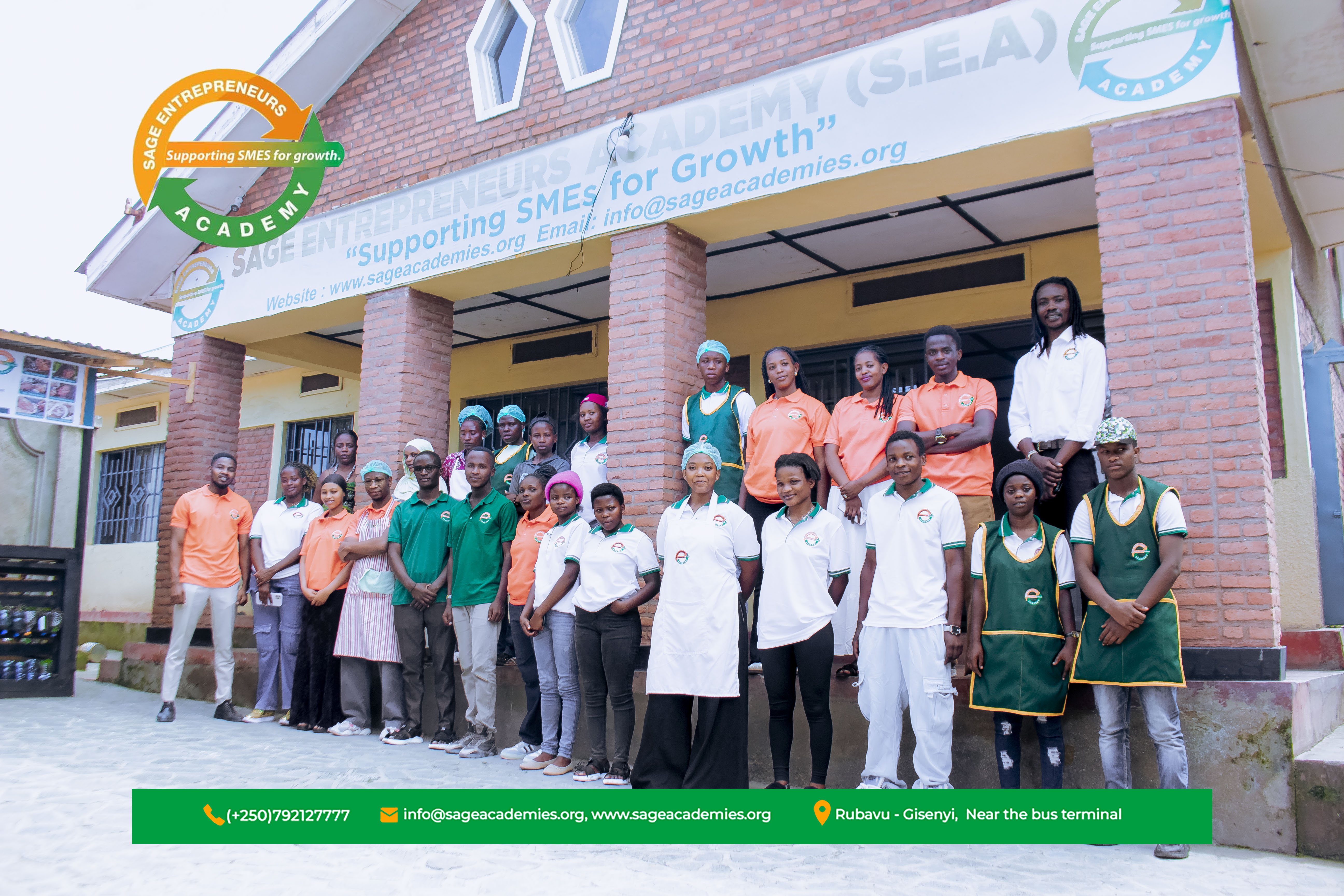
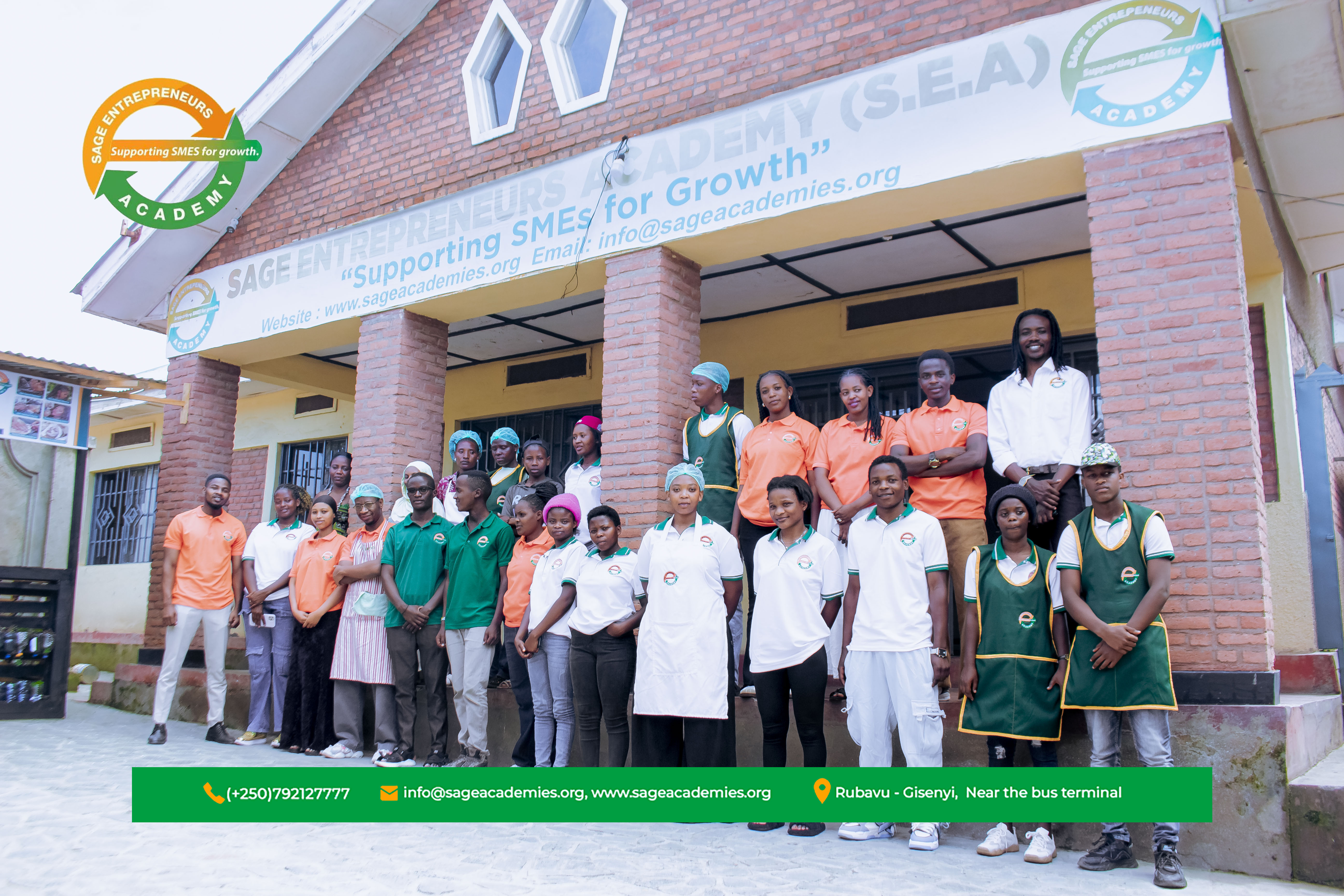
Sage Entrepreneurs Academy held an engaging meeting led by CEO Mr. Sage, bringing together staff and students for an important conversation about entrepreneurial thinking, self-reliance, the value of education, and the importance of English as an international language. The meeting challenged learners to move beyond simply acquiring knowledge and instead develop the mindset, confidence, and practical abilities needed to transform what they learn into meaningful opportunities.

By Mr. CH





Story gallery
/ 12
A Conversation That Goes Beyond Traditional Education
On November 20, 2026, Sage Entrepreneurs Academy brought together its staff and students for an inspiring and thought-provoking meeting led by the Academy's CEO, Mr. Sage.
The discussion focused on an important question that every learner, educator, and aspiring entrepreneur should consider:
Are we learning simply to obtain certificates and qualifications, or are we learning to develop the ability to create opportunities, solve problems, and contribute to society?
Throughout the meeting, Mr. Sage emphasized the importance of developing an entrepreneurial mindset, encouraging both students and staff to rethink how they approach education, professional development, and the opportunities available to them.
The message was clear: education should not end with what happens inside a classroom. It should prepare individuals to think independently, identify challenges, develop solutions, and create value in the world around them.
1. Learning Should Lead to Entrepreneurship, Not Just Employment
One of the central themes of the meeting was the need for students to connect what they learn with entrepreneurship and practical problem-solving.
At Sage Entrepreneurs Academy, education should be viewed as more than the process of completing lessons, passing examinations, and receiving certificates. Every skill acquired should have the potential to become a solution, a service, a business idea, or an opportunity to create value.
For example, a student studying bakery should not only focus on learning how to prepare different bakery products. They should also begin thinking about how to establish a bakery business, understand customer needs, manage production costs, maintain product quality, develop a brand, and attract customers.
Similarly, a student studying hairdressing should consider how professional skills can become the foundation of a salon business or an independent service.
A student studying IT should think beyond using computers and software. They should explore how technology can solve business challenges, improve efficiency, and create innovative digital services.
This is the difference between simply acquiring knowledge and developing an entrepreneurial mindset.
The real value of education is not only what you know, but also what you can do with what you know.
Students were encouraged to start identifying opportunities within their respective fields of study and to recognize that entrepreneurship does not always require starting with significant financial resources. It begins with identifying a problem, understanding people's needs, and developing a practical solution.
2. English Is an Important Tool for Global Opportunities
Another important subject addressed during the meeting was the importance of English in education, communication, and professional development.
English is widely used as an international language of communication. It plays an important role in business, technology, scientific research, international education, and professional collaboration.
In this context, Mr. Sage challenged students to develop a positive attitude toward learning in English rather than viewing it as an unnecessary obstacle.
The discussion also addressed an important attitude that learners sometimes develop: questioning why books, learning materials, and curricula are presented in English instead of being translated into Kinyarwanda.
While local languages remain extremely important for communication, cultural identity, and understanding, students must also recognize the opportunities that come with developing international language skills.
The ability to communicate in English can help learners access international learning resources, understand technical documentation, participate in global discussions, communicate with international clients, and explore opportunities beyond their immediate communities.
For an aspiring entrepreneur, language is not merely an academic subject. It is a business and communication tool.
Imagine developing an excellent business idea but struggling to explain it to an international investor, communicate with a foreign customer, understand an important business document, or present your services to a global audience.
This demonstrates why developing English proficiency is an investment in one's future.
The goal should not be to abandon Kinyarwanda or other local languages. Rather, students should develop the ability to communicate effectively in multiple languages and confidently operate in different environments.
A strong learner should be proud of their identity while remaining open to learning, communicating, and competing in a global environment.
3. Developing the Mindset of a Problem Solver
The meeting also highlighted an important characteristic of successful entrepreneurs: the ability to approach challenges with a solution-oriented mindset.
Entrepreneurship requires more than having ideas. It requires curiosity, creativity, critical thinking, adaptability, discipline, and the willingness to learn continuously.
Instead of always asking why something cannot be done, learners should develop the habit of asking:
What problem are we trying to solve?
What opportunities exist within this challenge?
What knowledge and skills can I use to develop a solution?
How can I improve an existing product or service?
What value can I create for other people?
These questions encourage individuals to become active participants in their own development.
A person with an entrepreneurial mindset does not wait for every opportunity to be presented to them. They learn to observe their surroundings, identify needs, and explore possibilities.
For students, this means looking at everyday experiences differently. A challenge within a community could inspire a business idea. A practical classroom assignment could become a product. A technical skill could become a professional service.
The classroom should therefore become a place where learners begin developing the confidence to turn knowledge into action.
4. Education Should Prepare Students for the Real World
A meaningful education system should connect theory with practical experience.
Students need opportunities to apply their knowledge, experiment with ideas, work collaboratively, communicate professionally, and understand how different industries operate.
Entrepreneurship is not developed through theory alone. It grows through practice, observation, experimentation, and continuous improvement.
For this reason, learners should take their practical assignments, projects, presentations, and classroom discussions seriously.
Every practical activity is an opportunity to develop skills that may become useful in future employment, business ownership, or professional services.
Students should also understand the importance of personal responsibility. Their development cannot depend entirely on teachers, institutional resources, or external opportunities.
Teachers and institutions can provide guidance, learning environments, and support, but students must take responsibility for their own progress.
A successful learner is someone who remains curious, asks meaningful questions, seeks knowledge beyond the classroom, and consistently looks for ways to improve.
5. A Shared Responsibility for Staff and Students
Although much of the discussion focused on students, the message was equally relevant to the Academy's staff.
Developing an entrepreneurial learning environment requires a shared commitment.
Educators and staff members have an important responsibility to encourage creativity, practical thinking, communication, innovation, and continuous learning.
Students, on the other hand, must actively participate in the learning process, remain open to new ideas, and develop the discipline needed to transform their knowledge into practical abilities.
An institution becomes stronger when everyone understands that education is a continuous process of growth.
The relationship between educators and learners should therefore extend beyond the traditional transfer of information. It should encourage mentorship, collaboration, critical thinking, and the development of real-world competencies.
6. Thinking Beyond Limitations and Embracing Opportunities
One of the most important lessons from this meeting is the need to reconsider the limitations we sometimes place on ourselves.
Sometimes, people become comfortable with familiar ways of thinking and resist opportunities that require them to adapt.
However, the world continues to change. Technology evolves, businesses develop new models, industries introduce new requirements, and communication increasingly connects people across borders.
Students who want to succeed in this environment must be willing to learn new skills, improve their communication abilities, embrace innovation, and adapt to changing circumstances.
Rather than seeing challenges as reasons to stop, they should view them as opportunities to develop new capabilities.
An entrepreneurial mindset encourages people to take initiative, explore alternatives, and remain committed to finding solutions.
It is not about having all the answers. It is about developing the ability to learn, adapt, and make progress.
Looking Ahead: Building Entrepreneurs Through Education
The meeting led by CEO Mr. Sage served as an important reminder of the broader purpose of education at Sage Entrepreneurs Academy.
The Academy's commitment to supporting SMEs for growth goes hand in hand with developing learners who can think creatively, identify opportunities, and contribute meaningfully to economic and social development.
Students are encouraged to see their respective programs not simply as courses to complete, but as foundations upon which they can build careers, businesses, and innovative solutions.
Whether studying IT, bakery, culinary arts, barista skills, hairdressing, video and photography, or other professional disciplines, every learner has an opportunity to turn acquired knowledge into something valuable.
The future belongs to individuals who are willing to keep learning, think critically, communicate effectively, and take action.
A Message to Every Student
Do not study only to pass examinations. Study to understand.
Do not learn only to receive a certificate. Learn to develop valuable skills.
Do not limit your thinking to the opportunities immediately around you. Learn to explore the wider world.
Do not be afraid of learning in another language. Develop the communication skills that will help you connect with more people.
And above all, do not wait until you graduate to begin thinking like an entrepreneur.
Start identifying problems. Start developing solutions. Start creating value with the knowledge and skills you are acquiring today.
Because education becomes truly powerful when knowledge is transformed into action, and when learning becomes a foundation for creating opportunities.
Sage Entrepreneurs Academy
Supporting SMEs for Growth.
Location: Rubavu – Gisenyi, Near the Bus Terminal
Website: https://sageacademies.org
Email: [email protected]